A snapshot of Bronx automotive history will be featured in the official MvVO ART Gallery at Waldorf Astoria New York.
Historian John J. O’Leary IV’s photograph depicts a 1926 Rolls-Royce Silver Ghost photographed at Reuter’s Coach Works, 4067 Boston Road in the Bronx, getting shipped back to its owner.
“Back then there weren’t as many car restorers as there are now. So if you wanted it done, you wanted it done right, you sent it down to the Bronx,” O’Leary said.
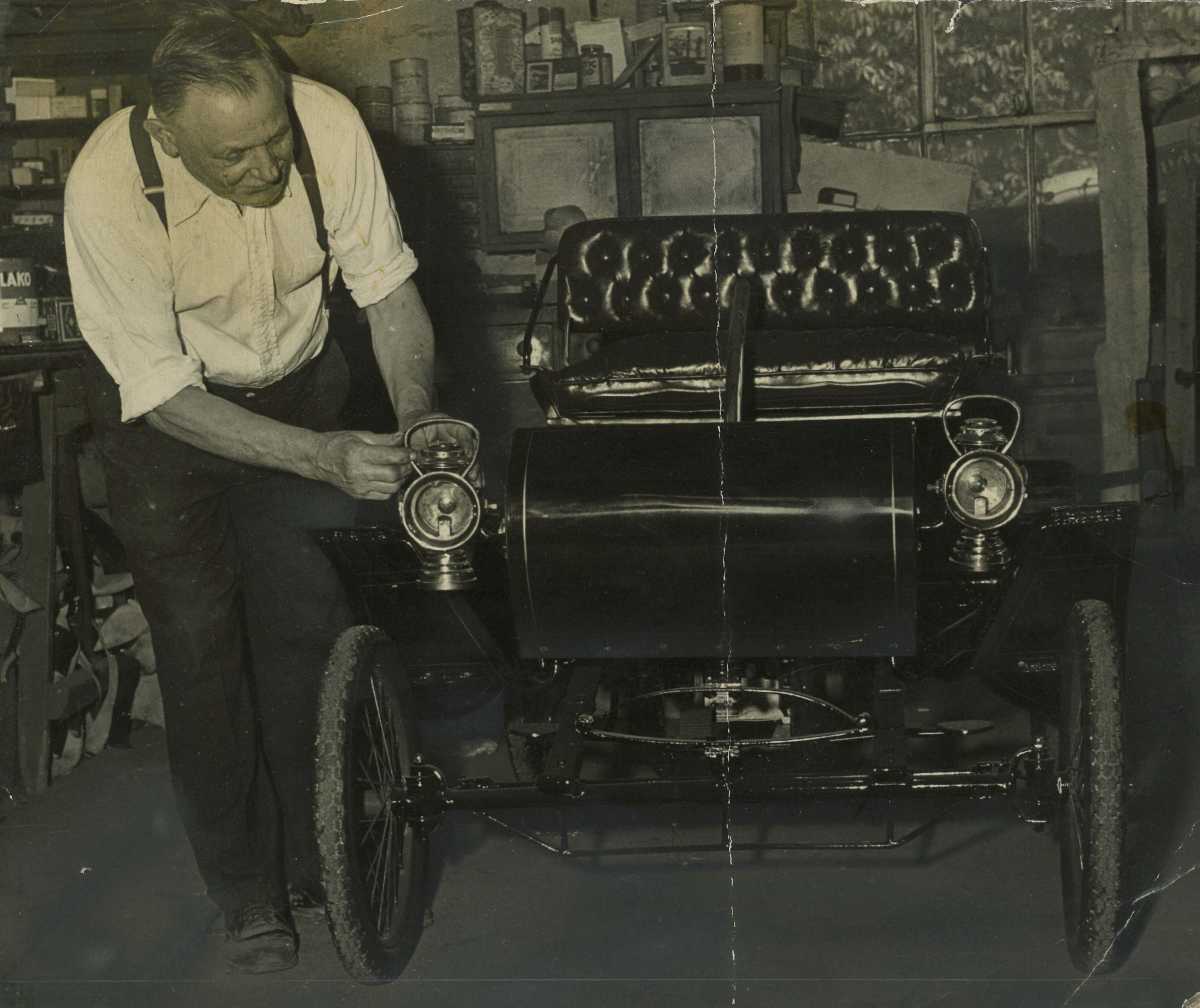
German craftsman Gustave “Gus” Reuter established Reuter’s Coach Works in the Bronx in 1929, during the Great Depression. The shop developed a pristine nationwide reputation for quality automobile restoration, painting, upholstery and woodwork.
Though O’Leary has been enamored with photography for a very long time, his interest in preserving the history of the Reuter’s family workshop only began after he and his wife, grand-daughter to Gus Reuter, were left with boxes of unsorted family archives, including many documents related to Reuter’s Coach Works.
“I was able to track down some of the old owners and then reach out, writing letters to the current owners, if I had their information, saying who I was, what I was doing. And some people would write me back, saying they remember their time in the Bronx, they loved Gus,” O’Leary said.
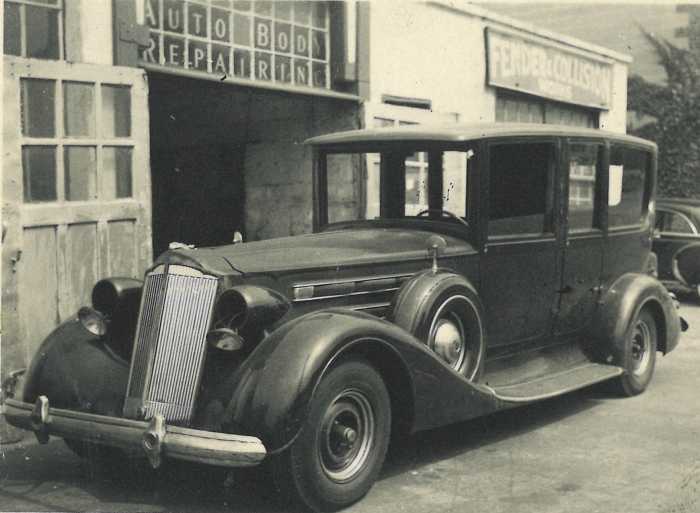
Some of Coach Works’ many repeat clients include opera singer James Melton ‘America’s Favorite Tenor’, Henry Austin Clark Jr. (founder of the Long Island Automotive Museum), racing driver Briggs Cunningham, Arthur K. Watson (former president of the IBM World Trade Corporation), automotive writer Ken Purdy and Nelson Rockefeller.
Vehicles belonging to former Presidents Franklin D. Roosevelt and Woodrow Wilson were also sent to Coach Works.
O’Leary has found other automobile enthusiasts to be very supportive, if not outright enthusiastic, in aiding his work to preserve archives of Coach Works’ legacy. He uncovered receipts related to Clark Jr. enlisting Reuter’s help to save a beat-up Pierce-Arrow car, and was able to sit in the car a few years ago before it was auctioned for millions through RM Sotheby’s.
“The people that own them are amazed that I have this stuff and they didn’t know that it came through the Bronx. So the more that I can educate people about what was actually there and the historical legacy of this place, makes me beam with pride as well,” O’Leary said.
Though Coach Works was a small shop — its two rooms could fit little more than two or three cars simultaneously — Reuter’s work was pivotal to the standardization of car restoration; previously, it was common for beat-up cars to be discarded, despite potentially high prices. According to O’Leary, Gus Reuter’s father-in-law operated a junkyard in the Bronx, and Reuter estimated that (adjusted for inflation) millions of dollars worth of automobiles were destroyed there.
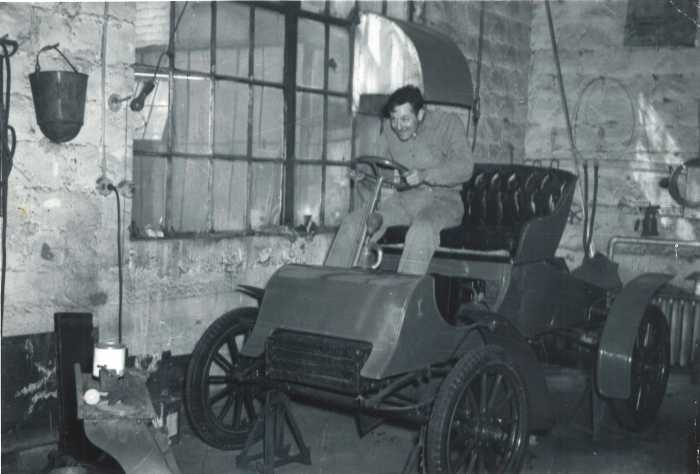
“I’m kind of the only person that has the history of this place, this business in the Bronx. So I’m trying to promote it, I’m trying to get it out there. I’m trying to see if I can get the building preserved as a historical place, because it still exists,” O’Leary said.
Reuter passed his expertise to his sons, Richard and Robert, who have since retired, though their and fathers work remains on display in museums and private collections nationwide. In place of Reuter’s Coach Works, temporarily closed the auto parts store.
O’Leary’s striking photograph of a 1926 Rolls-Royce being shipped to an owner will be on display as part of the official MvVO ART Gallery, presented through November 30, 2026, in conjunction with the 2026 MvVO ART SHOW at the Waldorf Astoria New York.
Beyond that, O’Leary is working on books about the history of Reuter’s Coach Works and Reuter’s legacy of automobile restoration.
“People simply called it flawless. You really couldn’t improve it. That’s why the demand was so high and he was never without work,” O’Leary said.